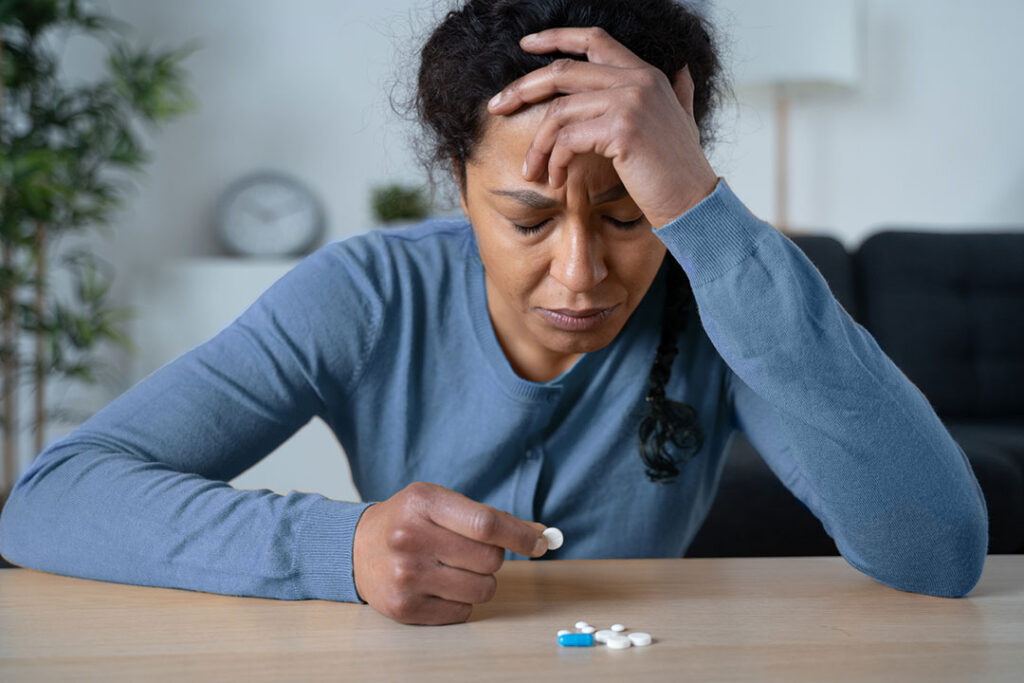
Experiencing chest pain can be frightening, especially when it happens during moments of anxiety. Many people fear that these sensations are related to heart problems, but often, anxiety itself is the cause.
Understanding why anxiety makes your chest hurt and how to manage it can help reduce fear and improve overall well-being.
Anxiety triggers a stress response in the body releasing hormones like adrenaline and cortisol. These chemicals prepare the body to respond to perceived danger, causing physical changes that can affect the chest, heart and breathing.
Recognizing these reactions is the first step in managing anxiety-related chest pain and knowing when professional help is needed. We Level Up Washington provides support and guidance for individuals struggling with anxiety and related symptoms.
How Anxiety Affects the Body
When you get anxious, your body’s “fight or flight” response kicks in, which can cause physical feelings like chest pain and understanding these mechanisms helps make sense of what is happening in the body;
- Muscle tension: Anxiety causes muscles, including those around the chest, to tighten and create discomfort.
- Rapid heartbeat: Elevated heart rate can feel like palpitations or pressure in the chest.
- Shallow breathing: Hyperventilation changes carbon dioxide levels in the blood, which can trigger dizziness, tingling, and chest tightness.
- Heightened awareness: Anxiety can make people more sensitive to normal bodily sensations, amplifying the perception of pain.
Recognizing these physical responses as part of anxiety can reduce panic and help you take appropriate action.
Identifying Anxiety Chest Pain
Distinguishing anxiety-related chest pain from heart-related pain is crucial. Paying attention to how the pain feels and when it occurs can provide important clues. Anxiety-induced chest pain often comes with these characteristics:
- Sharp or stabbing sensations in the center or left side of the chest
- Short episodes that last a few minutes rather than continuous pain
- Symptoms that appear alongside rapid heartbeat, sweating, or dizziness
In contrast, pain related to a heart condition may radiate to the arm, jaw, or back and often persists longer. If you are unsure about your symptoms, it is important to seek medical evaluation to rule out serious conditions.
Practical Ways to Reduce Anxiety Chest Pain
Managing anxiety can significantly decrease chest discomfort. The following strategies can be helpful:
- Use deep breathing: When you feel symptoms, slow down and take deep breaths. This can help relax your chest and reduce discomfort.
- Exercise regularly: Being active helps you release tension, regulate your heart rate and build resilience to stress.
- Practice mindfulness and meditation: These techniques teach your mind to be present, which lessens the physical impact of anxiety.
- Reduce your use of stimulants: Limiting things like caffeine or nicotine can prevent your heart rate from rising too much and causing chest pain.
- Professional support: Mental health specialists can guide therapy, coping strategies, and medication if needed. We Level Up Washington offers personalized care for those struggling with anxiety and related physical symptoms.
Using these tips together can help you get a better handle on your anxiety and have fewer chest pain episodes. Remember, even small, consistent steps can make a big difference.
When to Seek Immediate Help
While anxiety is a common cause of chest pain, certain symptoms require urgent medical attention:
- Pain you feel in your arm, jaw, or back that’s spreading
- Severe, persistent chest pain
- Shortness of breath or fainting
- Nausea, sweating, or dizziness
If any of these symptoms happen, call a doctor right away. Getting checked out is the best way to make sure there’s nothing serious going on with your heart and to feel better about your health.
Understanding anxiety and its physical effects is essential for managing chest pain effectively. Recognizing the symptoms, distinguishing them from heart-related issues, and using coping strategies can make a significant difference.
Seeking professional help, when necessary, ensures safety and provides support for managing anxiety long-term.