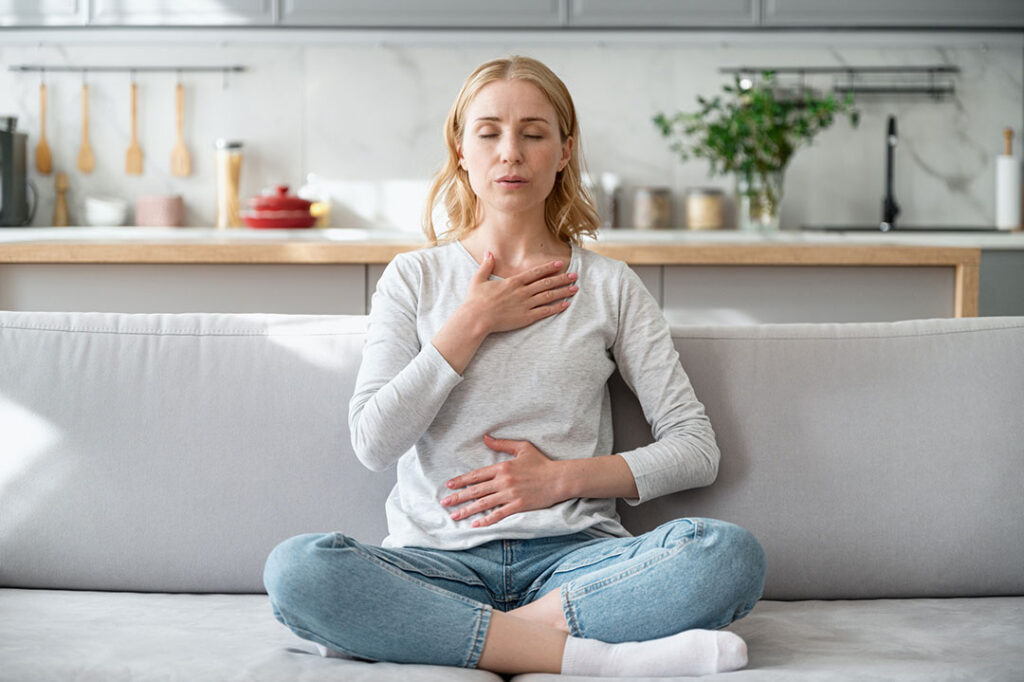
If you are experiencing chest pain during anxiety, it can feel overwhelming and frightening. Many people wonder how long this discomfort lasts.
Some wonder how to tell if it is related to stress or something more serious. Let’s break it down together in a clear and supportive way.
Why Anxiety Causes Chest Pain
When anxiety rises, your body enters a fight-or-flight state. When you’re stressed, your body pumps out adrenaline and cortisol, making your heart race, your muscles tense up, and your breath gets shallow.
All these changes can create real physical pain and tightness in the chest. The discomfort may feel sharp, stabbing, or crushing.
Sometimes it lasts only a few minutes. In other times it lingers for longer, leaving you drained and worried.
Typical Duration of Anxiety Chest Pain
Chest pain from anxiety usually does not last as long as heart-related chest pain, but in the moment, it can feel endless. Understanding the usual patterns can help ease some fear.
Here are common time frames people report:
- Seconds to a few minutes: quick flashes of discomfort, often tied to muscle tension or a stressful thought.
- 10 to 20 minutes: average duration during a panic attack, when symptoms peak.
- Up to an hour or more: lingering tightness that slowly fades as your body calms down.
- Over several days: less common, but some people feel off-and-on pressure linked to chronic stress.
It helps to remember that while these episodes are distressing, they usually resolve as your body leaves the high-anxiety state.
Anxiety vs. Heart-Related Chest Pain
Knowing the difference between anxiety-related pain and heart problems is important. While anxiety chest pain is common, heart conditions can be serious and should always be ruled out if you are uncertain.
Anxiety chest pain often looks like this:
- Sudden onset, often at rest
- Sharp or stabbing feeling
- Localized to the chest and not spreading elsewhere
- Improves as anxiety decreases or with relaxation techniques
Heart-related chest pain often has these traits:
- A crushing or heavy sensation
- Pain spreading in the arm, jaw or back
- Gradual build-up that gets worse with time
- Does not go away with rest or calming exercises
If you are ever unsure, especially if symptoms are new, intense, or accompanied by sweating or nausea, it is essential to seek medical care right away.
Finding Relief and Preventing Future Episodes
The good news is that you can take steps to reduce both the intensity and frequency of anxiety chest pain. Even small actions in the moment can help calm your body.
Practical coping strategies include:
- Deep breathing: slow, steady breaths help relax chest muscles and reset your heart rate.
- Grounding techniques: focusing on what you can see, hear, or touch pulls attention away from panic.
- Resting in a calm space: sitting or lying down in a quiet spot can shorten the duration of pain.
- Identifying triggers: keeping track of stressors, caffeine intake, or emotional events can help you understand patterns.
- Reaching out: talking to a supportive friend or family member can ease the emotional weight.
Long-term relief often involves therapy like Cognitive Behavioral Therapy or in some cases, medication. If left untreated, anxiety can worsen over time, which is why getting help is a powerful step forward.
Moving Toward Healing
Anxiety chest pain is very real and can take a toll on your daily life. The key is knowing it does not usually last long and learning how to manage it when it does happen.
You do not need to face this struggle alone. Professional treatment can make a significant difference.
At We Level Up Washington, compassionate professionals can guide you through the process of addressing both the mental and physical sides of anxiety. With the right support, many people find that episodes become shorter, less frequent, and far less intimidating.
If you or a loved one are struggling with recurring chest pain linked to anxiety, know that recovery is possible. With care, coping tools, and professional guidance, you can move forward with greater peace of mind and a stronger sense of control.